Tanzania at a Crossroads: Elections, Repression and Rising Unrest
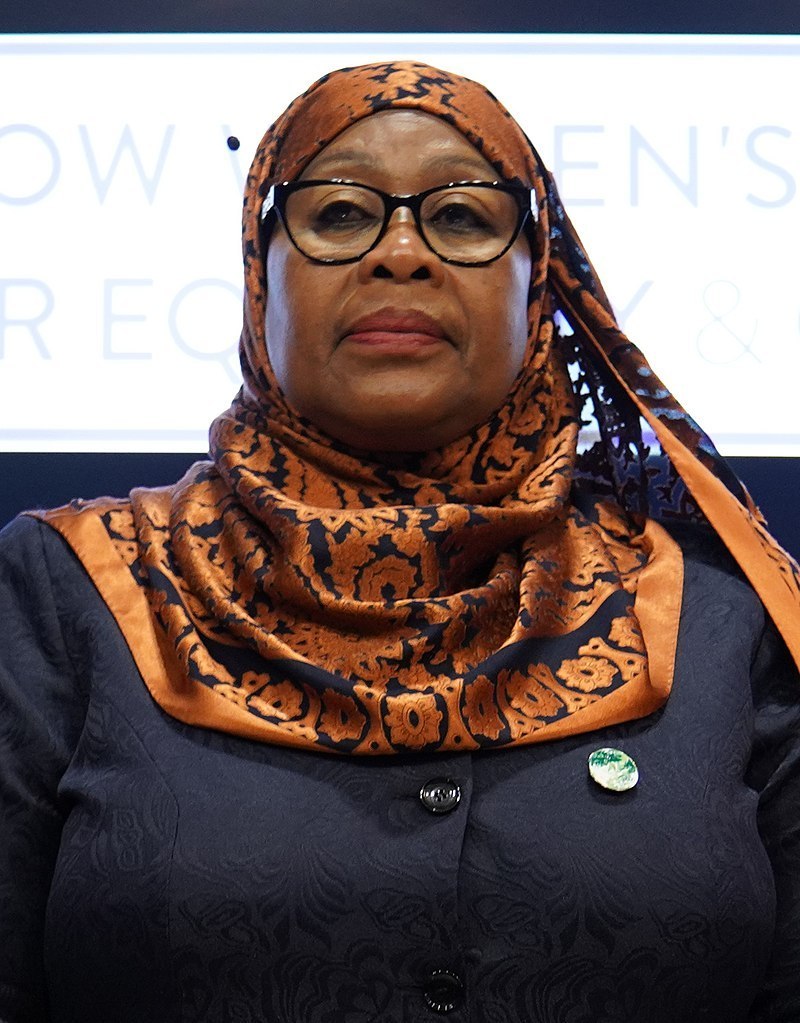
Par Scottish Government — International leaders sign joint statement at COP26, CC BY 2.0, https://commons.wikimedia.org/w/index.php?curid=129780453
The East African nation of Tanzania is currently confronting a volatile moment of political unrest, raising serious questions about democratic governance, human rights and the role of civil society. The recent general election, held on 29 October 2025, has triggered widespread protests, allegations of mounting repression and concerns from the international community.
A Highly Skewed Election
Incumbent President Samia Suluhu Hassan of the ruling party Chama Cha Mapinduzi (CCM) was declared winner with approximately 97–98 % of the vote, according to official results.
However, these figures come in the context of the most serious democratic concerns: major opposition parties were barred or had their candidates disqualified, including the leader Tundu Lissu of the main opposition party Chama cha Demokrasia na Maendeleo (CHADEMA).Human rights NGOs warned well before the election that Tanzania’s political space was closing fast.
Unrest, Internet Blackout and Curfews
As soon as the election process unfolded, thanks to the opposition’s claims and citizen frustration, major protests erupted in cities such as Dar es Salaam, Arusha and Mwanza. The government responded with nighttime curfews, an internet shutdown, and deployment of the military.
The opposition claims hundreds of deaths in the crackdown, one spokesperson cited figures of around 700 dead.
The United Nations Office of the High Commissioner for Human Rights (OHCHR) has confirmed credible reports of at least 10 deaths so far and is calling for restraint and investigation.
Pre‑Election Repression of Civil Society
Long before the vote, Tanzanian authorities had ramped up restrictions on free speech, opposition organizing and media freedom. According to Human Rights Watch, the period from mid‑2024 to 2025 saw abductions, disappearances and threats against human rights defenders, opposition members and journalists.
The arrest of Tundu Lissu earlier in April 2025 on treason charges (over allegations of inciting disruption) is emblematic of a broader climate of intimidation. A resolution by the European Parliament condemned “escalating repression” in Tanzania, and urged the government to allow a fair political process.
Implications for Democracy & Human Rights
The electoral process with major rivals excluded, minimal genuine competition, and heavy state security presence raises serious doubts about the legitimacy of the outcome. The exclusion of credible alternatives undermines what should have been a meaningful contest.
The use of curfews, internet shutdowns and heavy military and police interventions point to a shift from democratic opening to authoritarian consolidation. For human rights defenders and civil society, the space for dissent is narrowing dramatically.
What Comes Next?
The immediate horizon appears fraught. With protests still active, and with reports of large‑scale casualties, Tanzania’s stability and international standing are at risk. The authorities have already pre‑empted what they describe as “foreign interference”, accusing non‑citizens of plotting fresh protests.
For the outside world, donors, regional partners, media, the question becomes: will there be genuine accountability? Key steps include independent investigations into deaths, restoration of civil liberties, and opening up the electoral process for next time.
Tanzania stands at a critical moment. The 2025 election and the response to the ensuing protests reflect deeper tensions around power, voice and justice. For VOICES for DEMOCRACY AND JUSTICE readers, the central concern is not only the surface events, but the narrowing of space for democratic action, the risk to human rights, and what this means for the region.
If Tanzania is to remain more than a one‑party state in practice, then meaningful reform must follow, including free access to information, fair competition, and protection for those who raise their voices.
Author: Raveloaritiana Mamisoa Isabelle


